
High-Quality Copper Sulfate for Industrial Use
Copper sulfate is a chemical compound composed of copper, sulfur, oxygen, and, in some forms, water. It is one of the most common copper compounds used in various industries and applications. This compound exists in several forms, but the most well-known and widely used are:
- Anhydrous copper sulfate, which has the chemical formula CuSO₄
- Copper sulfate pentahydrate, which has the chemical formula CuSO₄·5H₂O
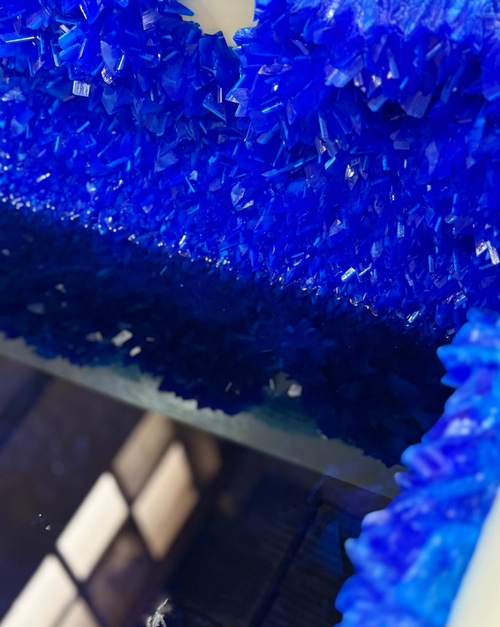
Uses and Applications
Because copper is inherently antimicrobial, its compounds—such as copper sulfate—are used in many different industries.
Agriculture
- Preventing pests and fungal-like diseases
- Used as a fungicide (Bordeaux mixture)
- Used as a nutritional supplement in animal feed
- Correcting copper deficiencies in agricultural fertilizers
- Used as an algaecide for pools and stagnant waters
Industry
- Used in copper plating processes
- Utilized in fireworks and pyrotechnics for intense blue and green coloration
- Manufacturing blue and green pigments
- Dyeing textiles and fabrics
Pharmaceutical Industry
- Manufacturing antifungal hair-care and hygiene products
- Used in medications for treating copper deficiency
- Used in veterinary settings for animal disinfection
Livestock Farming and Manure Management
- Production of animal and poultry feed concentrates
- Providing protection against foot rot in cattle and sheep
- Used as a growth enhancer for fattening broiler chickens
Other Uses
- Manufacturing copper carbonate (CuCO₃), copper oxide (CuO), and other copper compounds
- Production of chemical reagents in laboratories
- Flame-testing experiments
- Used in the purification of Ni–Cd in zinc manufacturing facilities
- Used as a stabilizer in zinc flotation
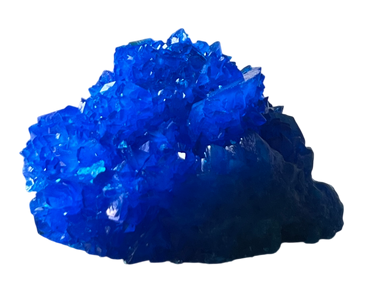
Copper Sulfate – Properties and Reactions
Appearance:
Vibrant blue solid crystals, or a white crystalline powder depending on the amount of water contained in its structure.
Odor:
Odorless.
Molar Mass:
• CuSO₄ (anhydrous): 159.61 g/mol
• CuSO₄·5H₂O (pentahydrate): 249.68 g/mol
Density:
2.286 g/cm³.
Solubility:
Highly soluble in water.
At 20 °C, approximately 23.1 g dissolves in 100 mL of water, forming an acidic solution.
Solubility increases with temperature.
Also soluble in methanol and glycerol.
Insoluble in non-polar solvents such as benzene.
Melting / Decomposition Point:
Decomposes at approximately 110 °C, losing its water of hydration.
Crystal System
Triclinic.
Chemical Formula
• Anhydrous: CuSO₄
• Pentahydrate: CuSO₄·5H₂O
Stability
Stable under normal conditions.
Hygroscopicity
The anhydrous form is highly hygroscopic and readily absorbs moisture from the environment to form the pentahydrate.
Boiling Point (Anhydrous CuSO₄)
Reported decomposition at approximately 650 °C.
⸻
Reactions
Reaction with heat
• Between 88–100 °C, it loses its water of crystallization:
CuSO₄·5H₂O → CuSO₄ + 5H₂O
• At 650 °C, it decomposes further to produce copper oxide and sulfur dioxide:
2CuSO₄ → 2CuO + SO₂ + SO₃
Reaction with Active Metals
Copper sulfate reacts with more active metals such as iron, producing metallic copper:
CuSO₄ + Fe → FeSO₄ + Cu
Reaction with Bases (Alkalis)
With sodium hydroxide, it forms blue copper(II) hydroxide:
CuSO₄ + 2NaOH → Cu(OH)₂ + Na₂SO₄
Reaction with Iodide Ions
Copper(II) ions are reduced by iodide, forming white copper(I) iodide and iodine:
2Cu²⁺ + 4I⁻ → 2CuI(s) + I₂
Reaction with Ammonia
Initially forms copper hydroxide; in excess ammonia, it forms the deep-blue tetraamminecopper(II) complex:
Cu(OH)₂ + 4NH₃ → [Cu(NH₃)₄]²⁺ + 2OH⁻
Redox Behavior
Cu²⁺ ions give copper sulfate oxidizing properties. It is used in numerous redox-based analytical procedures, including tests for reducing sugars.
Reaction with Concentrated Hydrochloric Acid
Forms tetrachlorocuprate(II) complexes:
CuSO₄ + 4Cl⁻ → [CuCl₄]²⁻ + SO₄²⁻
Popular Questions
Any Other Quesitons?
Lorem ipsum dolor sit amet, consectetur adipiscing elit sed do eiusmod tempor incididunt et dolore magna aliqua.
Contact Us
Your trusted copper compounds supplier is just a phone call away.
Feel free to reach out to us with any general questions about Aveje, or if you need assistance. Our team is always happy to help.
Leave Your Message
Related Products
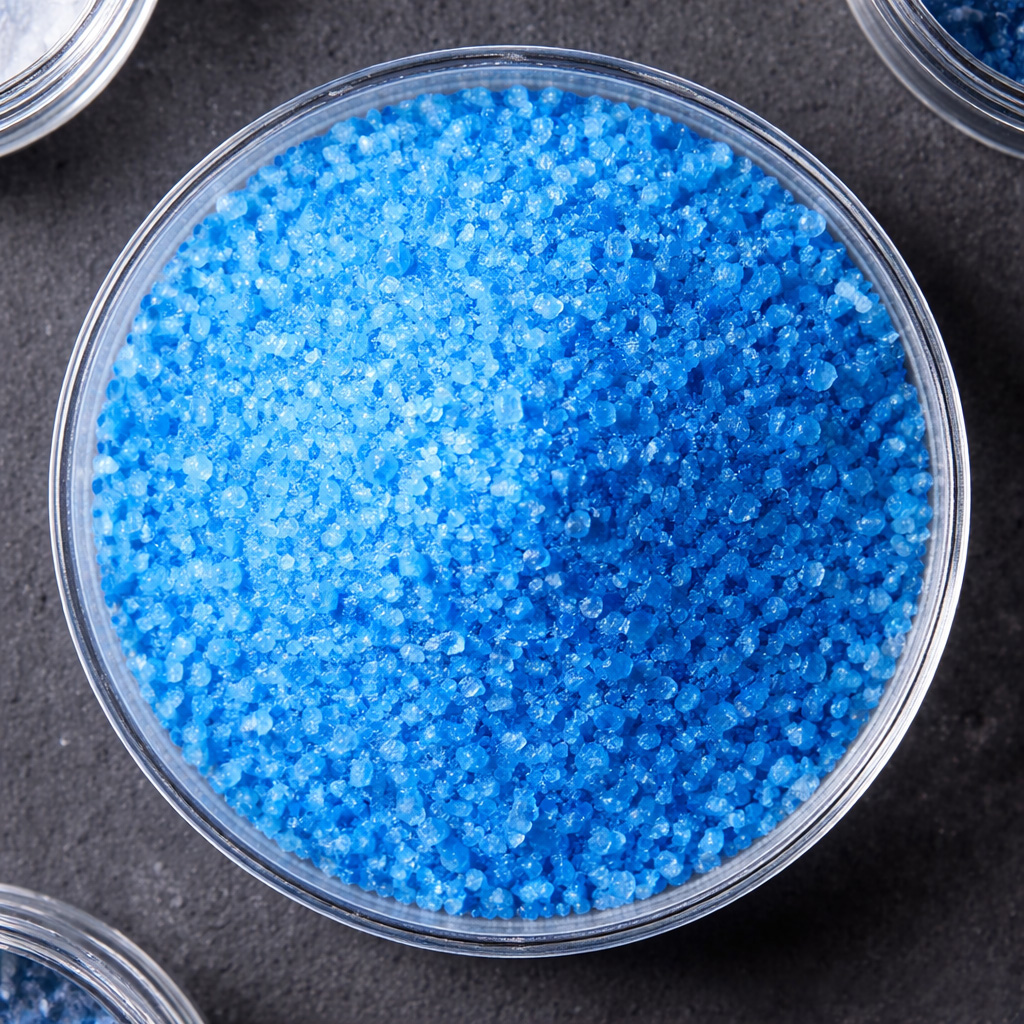
Copper Sulfate
(CuSO4)
- Main features
- Main features
- Main features
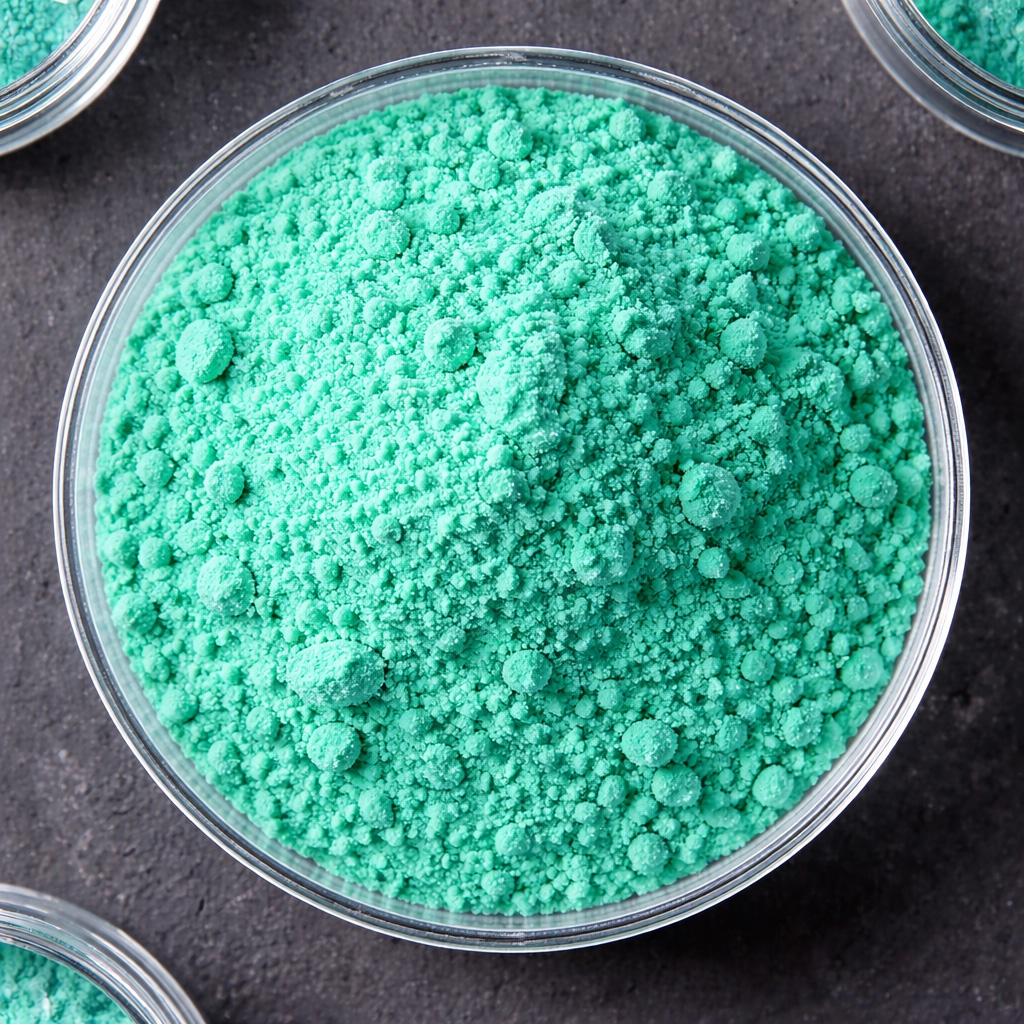
Copper Carbonate
(CuCO3)
- Main features
- Main features
- Main features
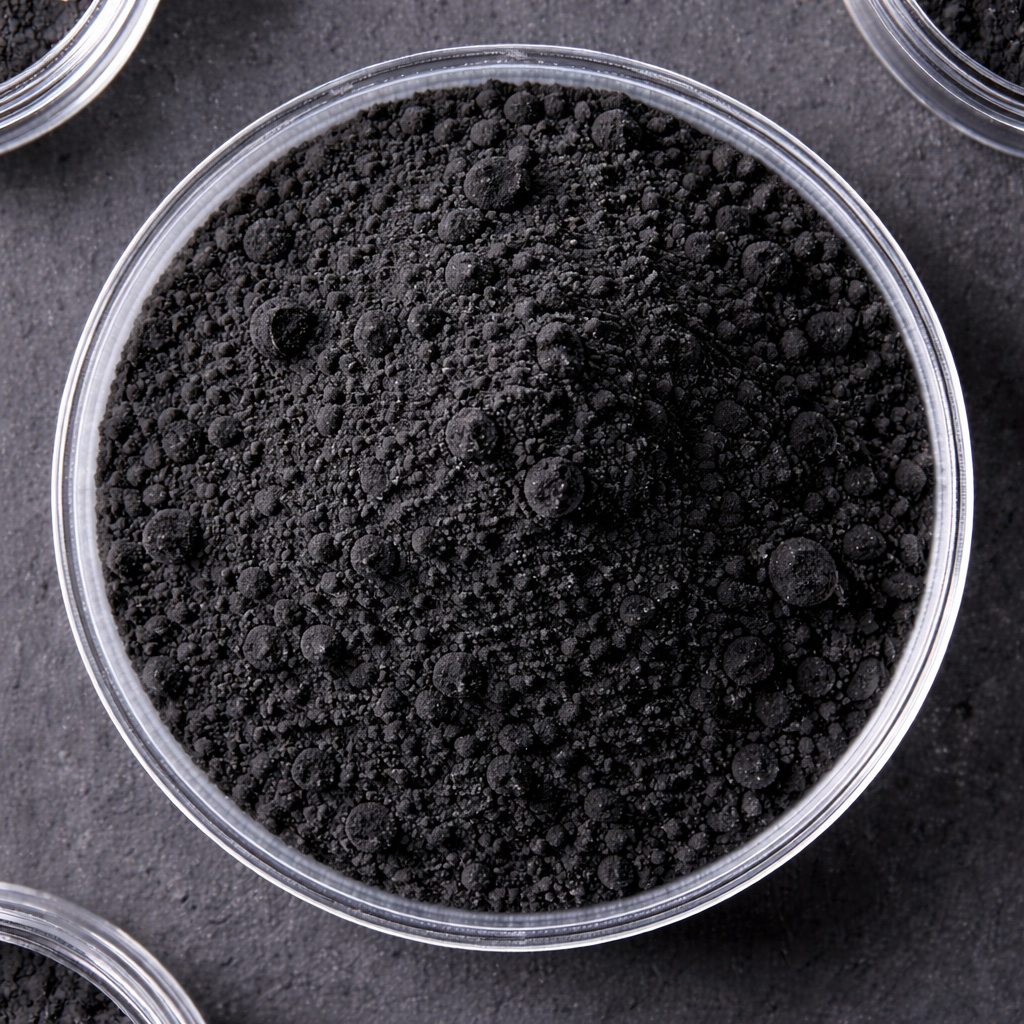
Copper Oxide
(Cu2O)
- Main features
- Main features
- Main features